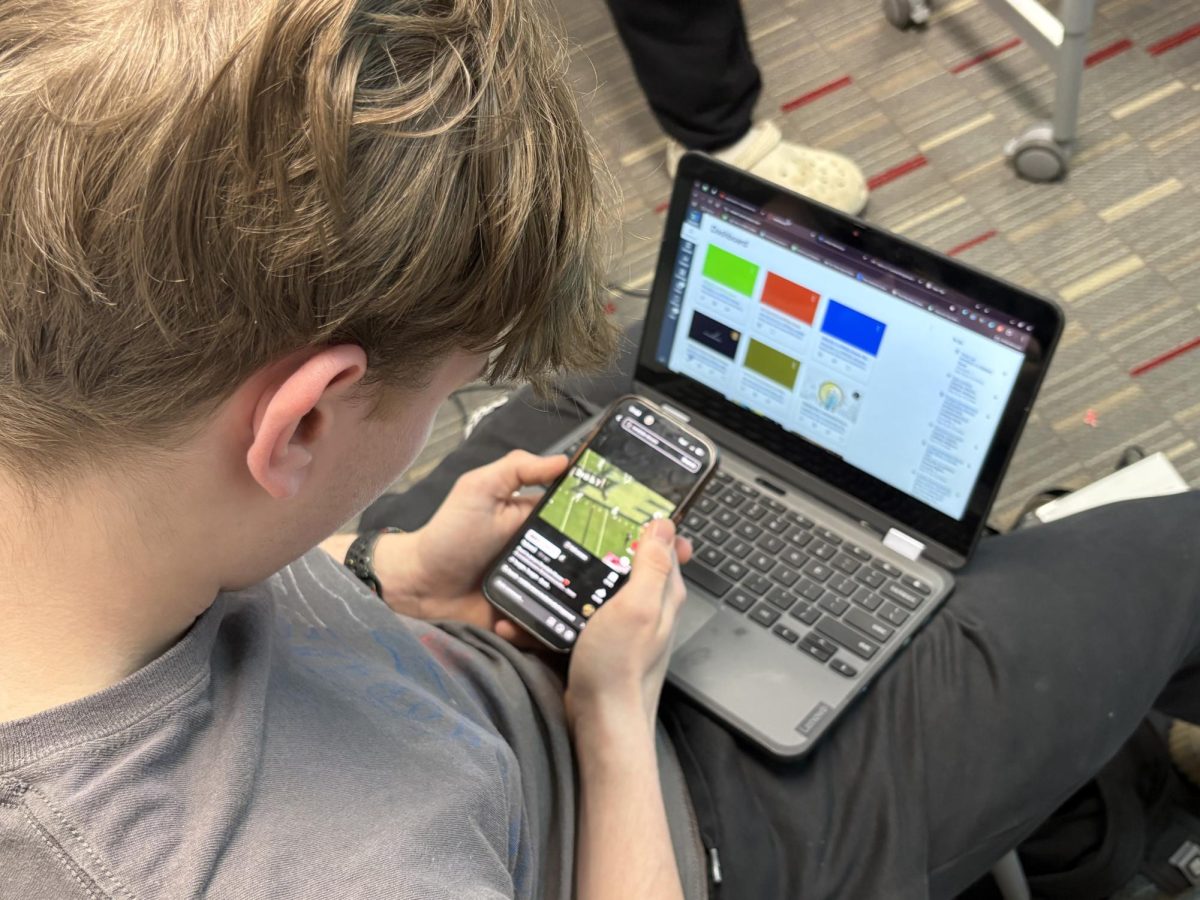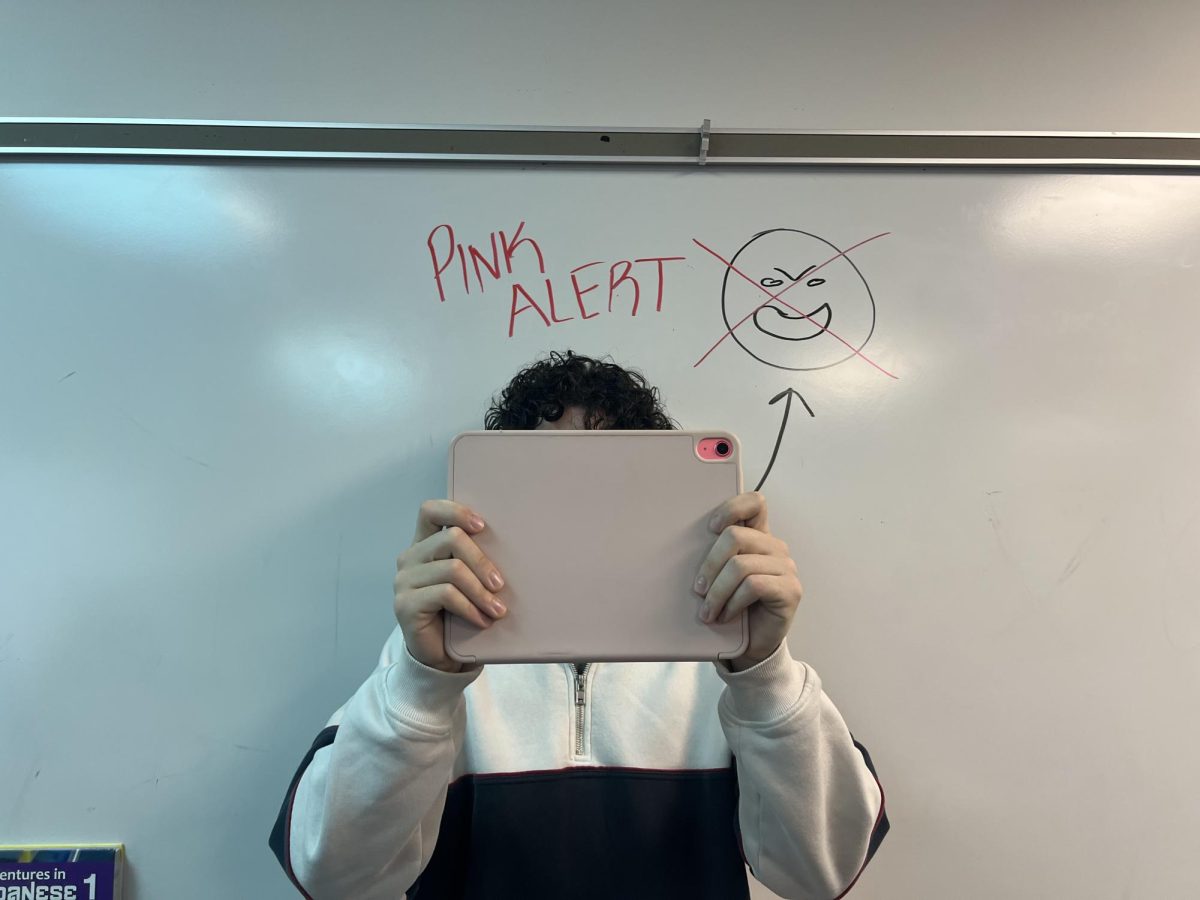
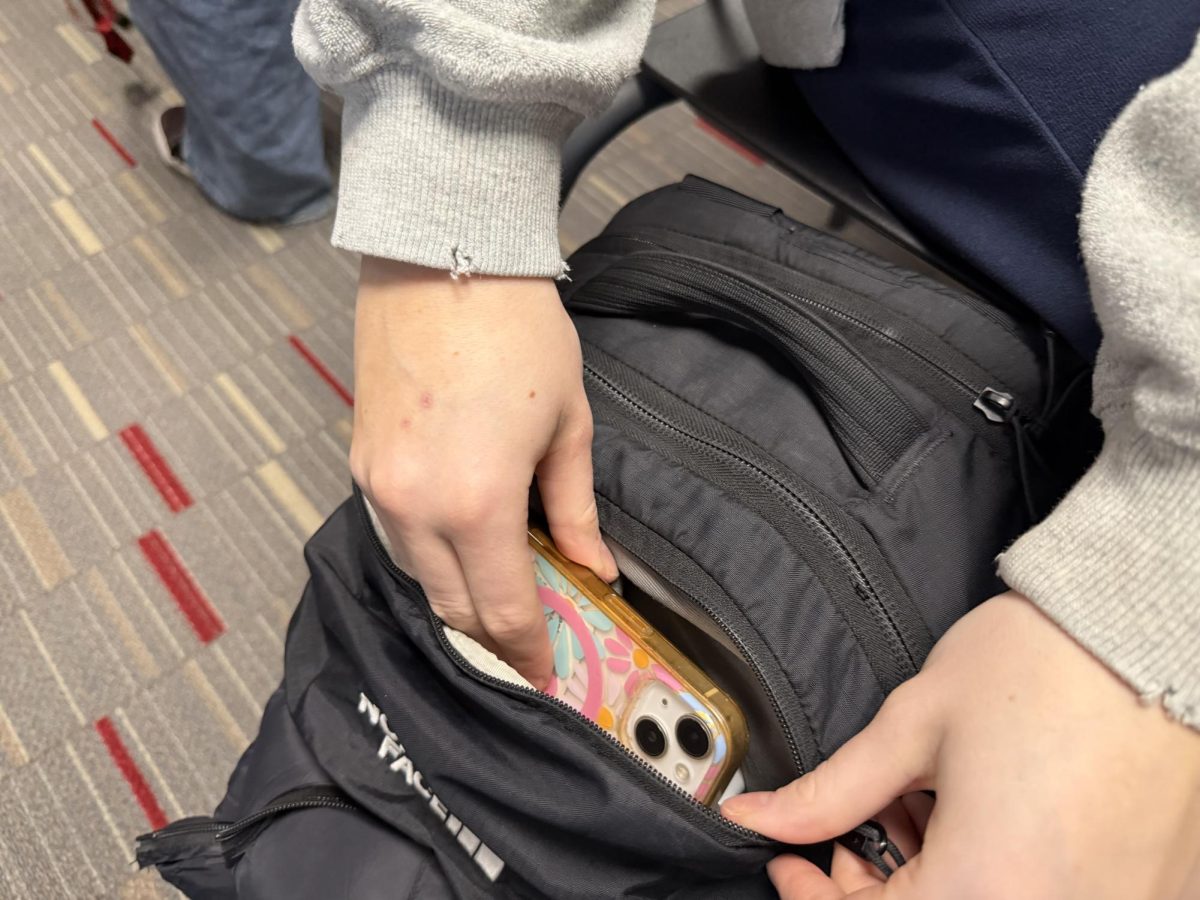
As students returned to school from winter break they faced greater restrictions on phones. While this is nothing new for freshmen, the rest of the school has had to adjust.
Teachers were instructed to report any phones seen in the classroom so that a dean could come to the classroom and take the phone for the rest of the day for a parent to come pick up.
This policy may be a shock to many students, but in reality Principal Jagga Rent notes that this policy has always been in place.
“I would first say it’s not a new policy. Our enforcement is just more rigid. Enforcement has just been inconsistent. So what we’ve done is very acutely kind of standardized our enforcement,” Rent said.
With this enforcement being somewhat new for teachers, they are beginning to see differences in their classrooms.
“I have seen a difference in my classroom but Mr. Ramirez and Mr. Williams were working really hard with freshmen last semester, and I primarily teach freshmen anyway. So it was already working well for me last semester and now,” spanish teacher Megan Casey said.
Not only have freshmen teachers seen a positive impact in the classroom environment but so have the students.
“I think schools should have this much restriction on phones because it helps people focus and learn during class… I feel like more people are attentive and pay attention more,” freshmen Neve Bowden said.
The shift in students’ attention Bowden has been experiencing is exactly what the administrators wanted from this policy.
“We want students to be successful in the classroom. You [students] can’t be successful in the classroom if you’re distracted by phones,” Rent said.
In addition to Rent wanting students to be more successful, he has a couple more things he hopes this policy accomplishes.
“Number two, we want to become compliant with the state of Indiana. We don’t want to be cited for being non-compliant. Number three, smooth the transition for what I believe is coming very soon as close as next school year with more rigid and more strict cell phone policies. There’s a lot of things we’re trying to get out of it,” Rent said.
There are many positive outcomes the administration is looking forward to seeing. Not all of these goals are related to students’ performance in the classroom and instead some focus on long term effects cell phones have on teens.
“Another reason is I feel that students are addicted and they can’t focus in the class when they are distracted by cell phones. Not only will they be more successful but it’s just the addiction piece I want to do our part in making sure that we’re not exacerbating that addiction because it’s real,” Rent said.
With phones being a prominent part of students’ lives, trying to find ways to break this addiction will help students be less reliant on their phones.
Not only are administrators hoping to break this addiction, so is the government.
“I have been following legislation and very soon this law is going to become even more stringent and so if I’m preparing our students for what’s coming then we will have a smoother transition before next year,” Rent said.
With the government planning on banning phones in school, the current policy being enforced is a way to help students get used to less phone time.
To make sure this preparation is impactful it’s on the teachers to make sure they are continuing to enforce the no phone policy every day.
“If we are in the rooms doing an observation and we see students with phones out, we will have conversations with teachers. So I’ve learned in leadership you can’t expect what you don’t inspect,” Rent said.
In the past policies regarding phones have not been taken seriously for the most part. In order to make this policy a success teachers have to stay true to the rule.
“I think that if we can have a strong start where kids know that we are serious and they don’t want to lose their phones then I think that will be what keeps this going,“ Casey said.
Casey’s strong enforcement and Rent’s monitorization are proving to be a successful effort. She’s noticing that within her classroom it’s been pretty easy for her class to abide by the rules.
“I think the kids took what Mr. Rent and the administration were saying seriously and in my classroom at least it’s been great. I’ve only taken one phone this first full week,” Casey said.
The parents also have thought highly of the implementation. Although as a parent it can be a struggle to come retrieve the phone, Rent has been listening to what parents have to say.
“Parents for the most part love it. We haven’t had anybody that I know of that opposes or has been obstinate. I think parents want this and the feedback from parents has been pretty positive,” Rent said.
Across the board this rule, while it may be a burden to some, is living up to its standards by improving the classroom environment, helping to fight addiction and strengthening the overall community. Staff have made the transition for students, parents and teachers manageable.
“I like that we are working on giving more attention to what is supposed to be happening in the classroom. I also like it because I think it gives students a better opportunity to get to know people in the classroom instead of, you know, sometimes you’ll get kids like ‘who is that?’ because they haven’t looked up from their phones,” Casey said.