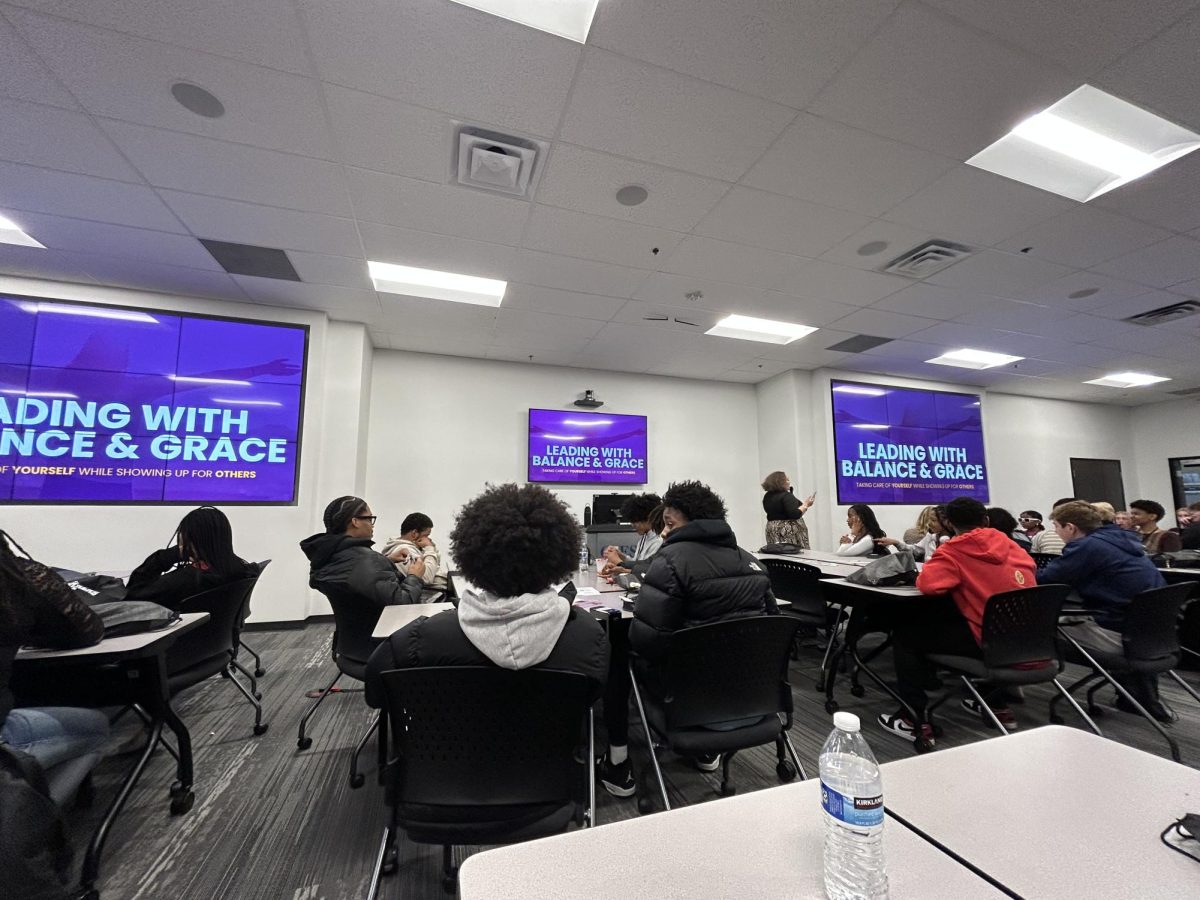
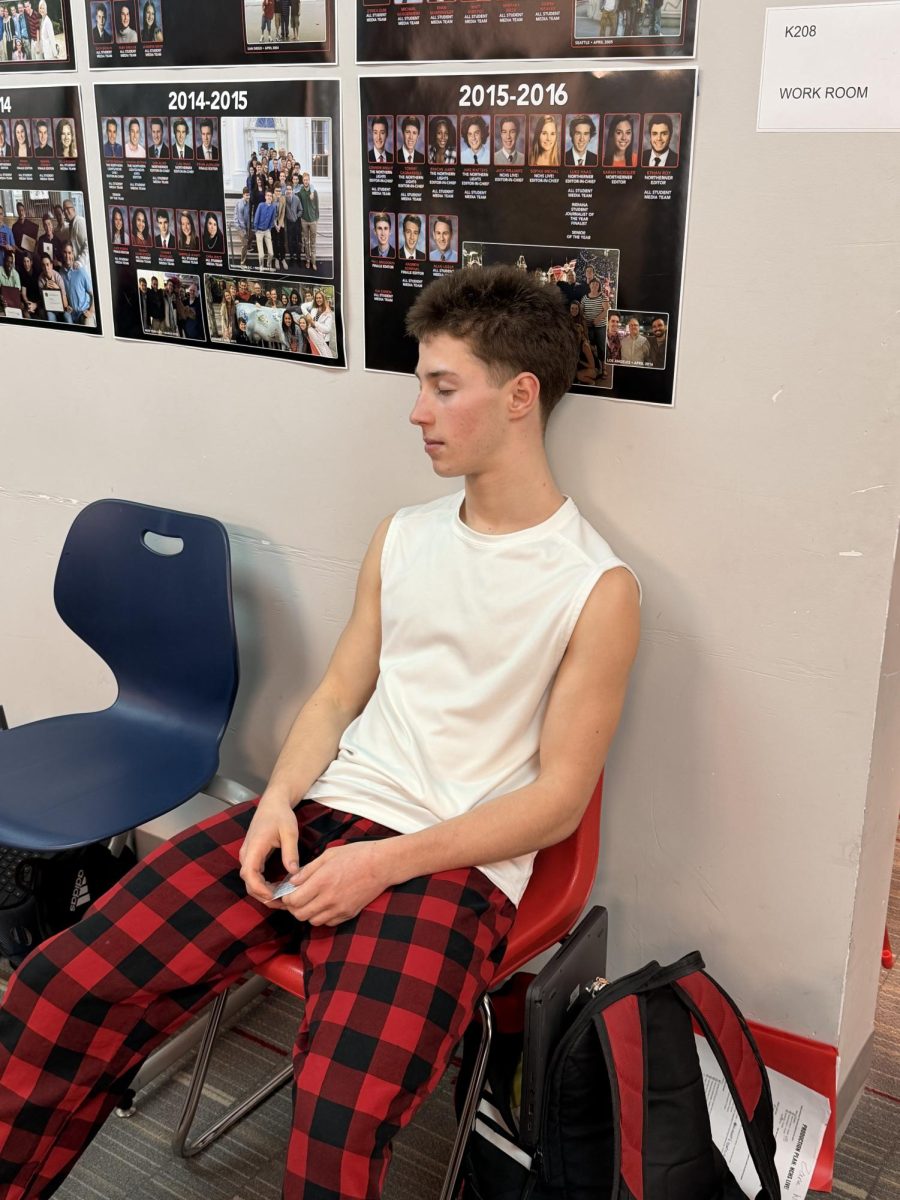
Sleep deprivation has become a growing issue for many highschoolers. Due to academic pressure, extracurriculars and packed schedules, getting a nightly rest has become a small priority for many students.
According to statistics from the American Physical Therapy Association, more than 2 out of 3 high schoolers aren’t getting enough sleep, and the situation seems to be getting increasingly worse.
A major cause of the lack of sleep that students get is the academic workload that many students are faced with once they get home from school.
“I get home at 10, so, like, I don’t even know. I just go to sleep when I’m done. I do my work and no matter what I’m up late,” junior Rashid Ibrahim said.
Effects from having too little sleep are serious especially on still developing minds. Research shows that sleep- deprived students struggle with concentration, having a good memory, and decision making.
Lack of sleep daily has also been linked to increasing mental health issues among students such as anxiety, depression, and a weakened immune system.
Some teachers have even begun to notice the increasing percentage of students falling asleep in class increasing as the years go on. Many of them have said that the majority of students falling asleep are students also struggling with keeping up with their assignments in class.
“Even if they’re not falling asleep, if they’re not getting enough sleep they’re not processing as they should, and it also, as you know, can affect how much you really want to talk and participate when you’re tired.” teacher Darrien Grays said.
Some schools are responding to the growing problem of lack of sleep among students by promoting sleep education and adjusting times when their school days should begin.
As more schools begin to follow the example of others, students and schools will begin to treat getting enough sleep at night as a monumental part of being successful academically.