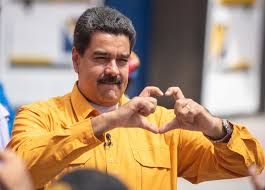
On Jan. 3, 2026, Venezuelan president Nicolás Maduro was captured along with his wife, Cilia Flores.
A United States military led operation, “Operation Absolute Resolve,” took place at approximately 2:01 a.m. local time. The raid targeted a heavily fortified military fortress within Caracas, identified as a residence at Fort Tiuna.
Maduro and Flores were flown back to the U.S. in the “USS Iwo Jima.” They face federal charges in the U.S. for leading a major drug-trafficking network.
Following his capture, the event has taken the news outlets by storm. Many students at North Central have formed opinions on the topic.
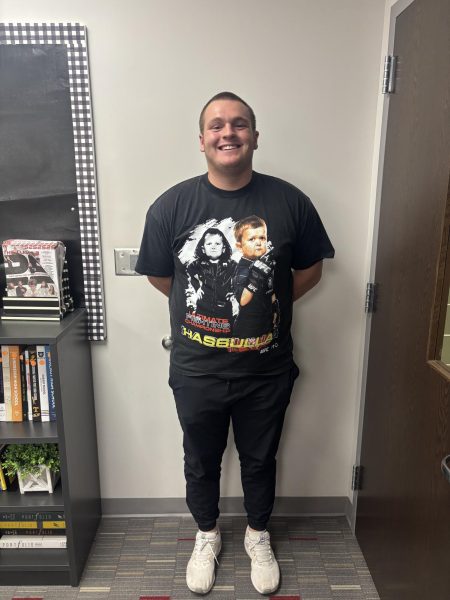
Senior Dagan Waldman has expressed how he feels about the capture of Maduro.
“President Maduro was not a great leader, but I’m not sure if that gives our administration the right to invade and take over,” Waldman said.
AP Government and International Relations teacher Andy Wiggins has developed a thorough opinion, however he can not seem to come to much of a conclusion.
“I don’t really know that there are, right now, very clear winners in this,” Wiggins said.
Wiggins mentioned that he has heard varying opinions on how daily life has changed in Venezuela following the operation. Wiggins brought up the idea of instability in Venezuela, and how it is present in Venezuelans’ daily lives.
“Their [Venezuelans] lives already were unstable, but anytime you introduce volatility and unpredictability into a system, it tends to destabilize the lives of most people,” Wiggins said.
Of those varying opinions Wiggins mentioned, Waldman stands on the opposite side of the issue in terms of how their daily lives have changed.
“I think that for some Venezuelans, they view this as a liberation,” Waldman said.
However, both Waldman and Wiggins believe the general public is split in terms of the capture.