
Every year, sophomores get the opportunity to create their own Panther Exploration Project. This project gives students a chance to dive deeper into a topic they are interested in.
This project is run by librarian Lee Toussant and former English teacher Jocelyn Sisson, and it is a way for students to learn more about something they are interested in and check off a graduation pathway.
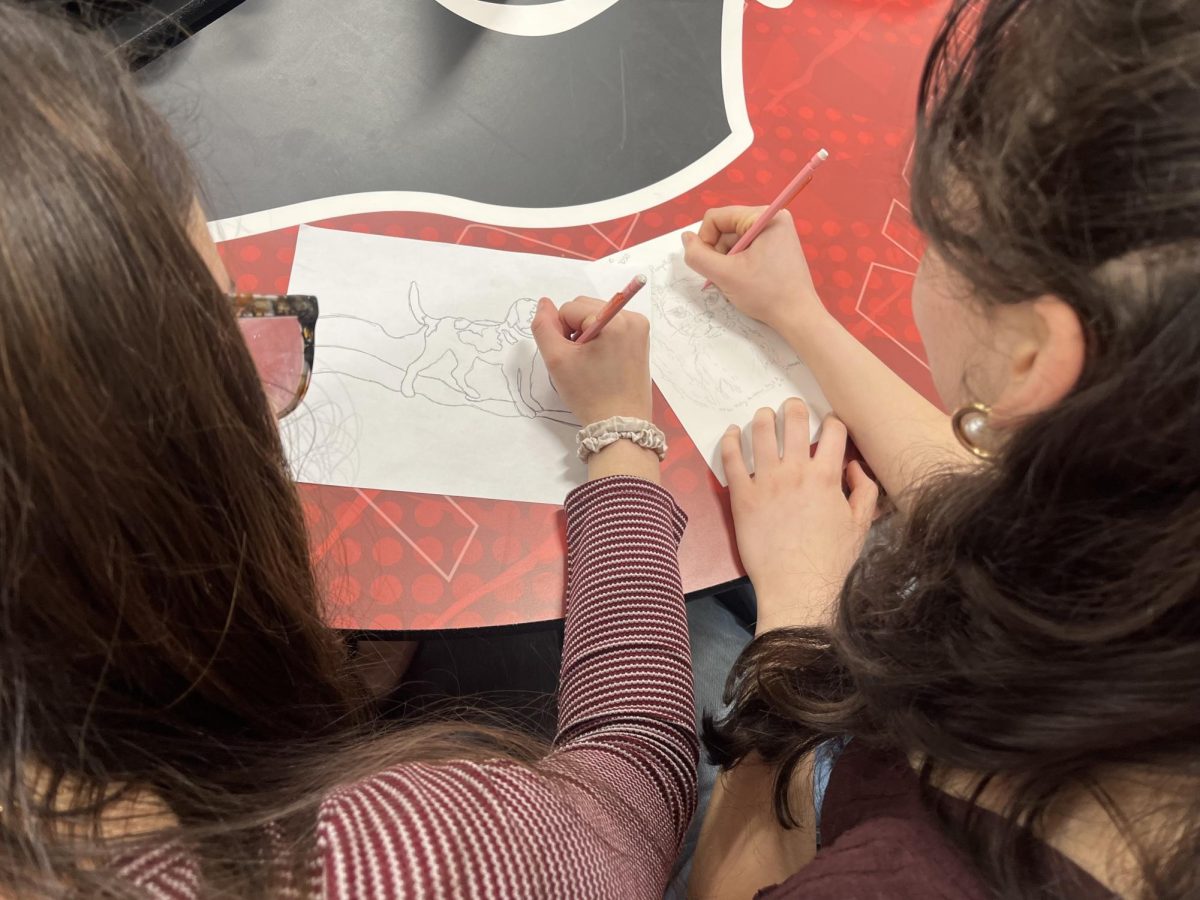
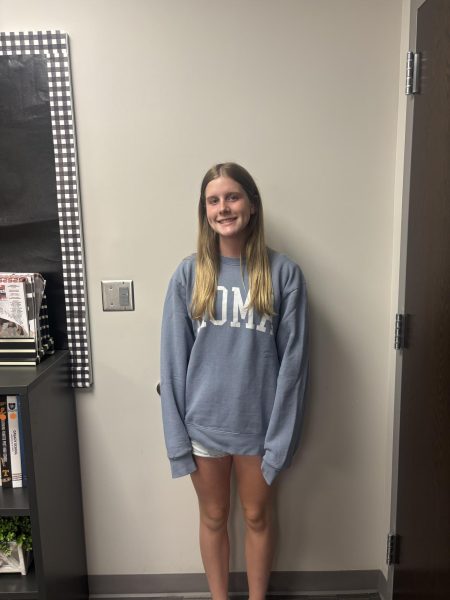
“My friend and I are doing our project over at the humane society so we are trying to go there every week . We have been noting our [work] down,” sophomore Sophia Reeves said.
Students get to pick a topic of their choice, decide what they want to do, get involved and learn more about it.
“The guideline is really to make it something that you’re learning about, something you [students] can research. Research [means that you should] interview people, do research online, watch videos and keep track of those sources,” Toussant said.
Taking an idea and turning it into a project is what students get to do. Gathering data, reaching out for an interview, putting together something to present, are all skills students get to use throughout the process.
“We used a lot of resources like college programs and any website that had good and correct information on interior design,” junior Caroline Rickleff said.
Using different sources and researching for new information not only helps students learn more, but it also shows they are putting in hard work and not choosing something easy.
“It’s got to be challenging, not just something that’s easy to do. You have to go deeper. You’re either thinking about it from a career standpoint, thinking about it from culture, or just from your dreams,” Toussant said.
There aren’t many rules, the main thing that is being looked at is that students are putting in hard work and showing their interest in the topic of their choice.
Many steps are taken during this project. At this point in time, students are hoped to have picked their topic and are beginning to brainstorm what the outcome will be.
“We were hoping by now students have come up with the topic that they want to explore, and maybe have an idea of what their project’s going to look like. I don’t think we are anywhere close to that because House Huddles have created a bit of a challenge getting to the sophomores,” Toussant said.
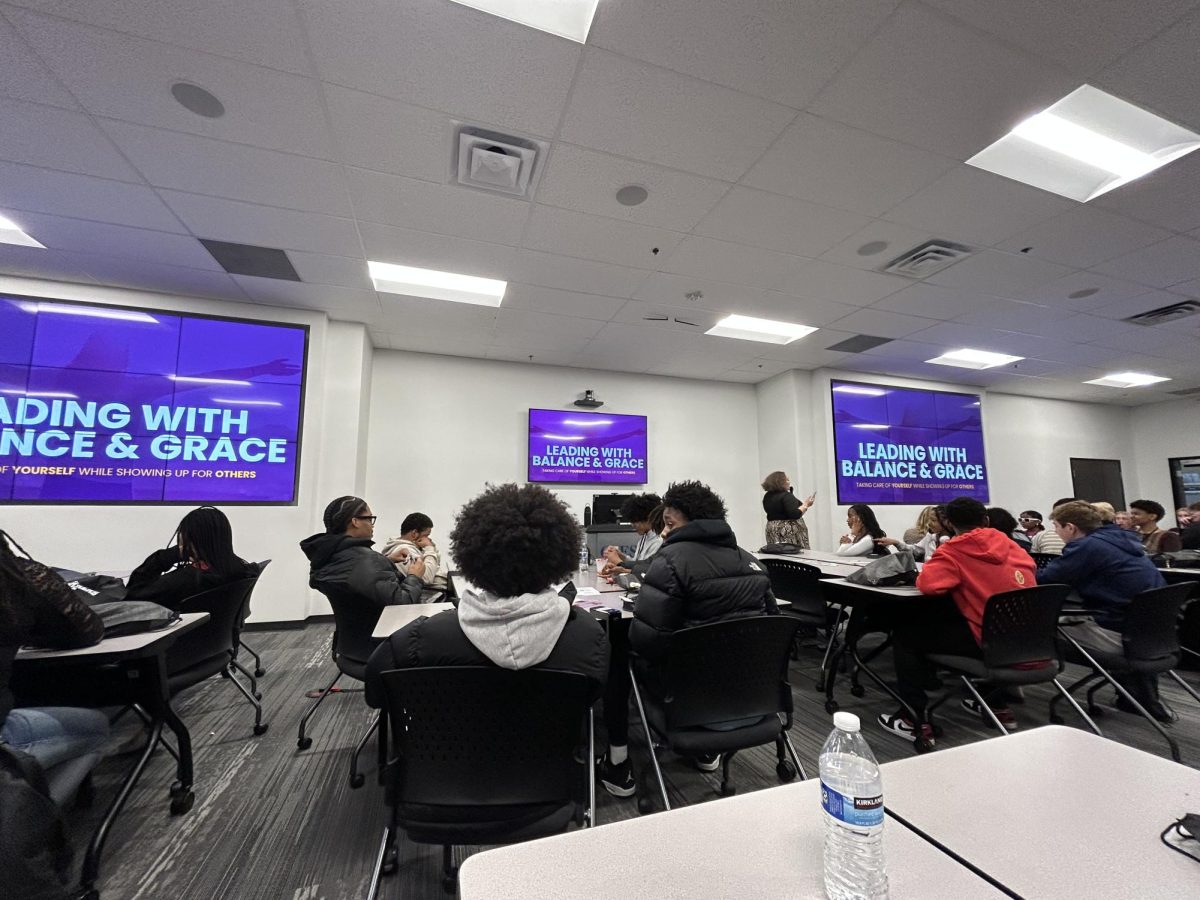
The challenge that has come with PEP this year is the implementation of House Huddles. There have always been homerooms separated by grade, but now that it is all mixed some students aren’t getting the information they need.
“It’s been really challenging [with house huddles]…Other siblings or older cousins or older friends have been helping. And that’s what we were kind of hoping would happen in Huddle because it’s multi-grade, then the older kids can kind of take people under their wing and help them navigate and get going,” Toussant said.
There are different pros and cons to House Huddle’s in relation to PEP, but this year will show what the true impact will have.
There are many different options on how to approach each topic, but planning that part out and making it personalized is what the project is meant for.
“We first did research, then we had to write a lot of summaries and answer questions. Then we put it all together into a project and added our own spin to it. We did interior design, so for our project we made a house online,” Rickleff said.
Once the topic is picked, students begin to plan out what they want their overall project to look like. Eventually, they create their project and make it a personalized piece to present.
“Students should be looking forward to sharing what they learned. And to embrace the process to let go of that fear of failing, because it’s their project and they are going to get more out of it even if it doesn’t go the way you thought it was going to go,” Toussant said.
Being able to work through the hardships and put together something that the student is interested in is something students get to be excited for.
“I’m looking forward to having the whole project done, completing all of my notes and putting it on a poster,” Reeves said.
Getting all of the research and information done on time is a critical part of the project and will make it a lot easier for students.
“I would recommend starting early and not procrastinating the work, because it will make it way easier in the long run,” Rickleff said.
Students have to complete their journal entries, works cited and the PEP Report by the end of the day on February 26. Once all of this is completed and the project is put together, students can look forward to presenting during the exhibition that will take place mid March.
“I’m glad I chose to participate in the project because it was a fun and easy way to check off one of my graduating pathways,” Rickleff said.
It’s recommended that all sophomores take this opportunity to learn more about something they are interested in. Not only is it a fun experience, but students will also get to take this as a time to check off one of the mandatory steps of the graduation pathway.